
Our Themes
Areas of emphasis in our coursework and faculty research
Environmental Health & Conservation Medicine
Students in the environmental health theme learn to understand and address the deeply interconnected relationships among human, animal, and environmental well-being. Through courses spanning environmental biology, disease ecology, epidemiology, climate and public health, toxic exposures, Indigenous land practices, conservation biology, and community-based conservation, they develop a scientific foundation for analyzing how ecological change, pollution, biodiversity loss, and climate stressors shape health outcomes across species. Field methods, systems thinking, and experiential learning equip students with practical skills for monitoring ecosystems, assessing health risks, and designing evidence-based interventions. At the same time, courses in environmental justice, infectious disease, science communication, and health disparities highlight how social systems, inequities, and cultural worldviews influence both exposure and vulnerability. Together, these classes prepare students to tackle complex planetary health challenges with interdisciplinary knowledge, strong analytical tools, and a commitment to equity and collaborative problem-solving.
Cities and Sustainability Solutions
Courses in our Cities and Sustainability theme collectively frame cities as vital spaces where environmental, social, economic, and political forces converge, making them central to both the challenges and solutions of sustainability. Urbanization is presented as a major driver of ecological change, with courses emphasizing how planning, policy, transportation, energy systems, and urban ecology shape the health and resilience of metropolitan environments. At the same time, the curriculum highlights how issues of justice, inequality, and power influence who benefits from or is burdened by environmental conditions in cities. Through interdisciplinary tools, including GIS, ecological economics, policy analysis, and experiential project-based learning, students learn to analyze complex urban systems and design equitable, low-carbon, and resilient solutions, positioning cities as key laboratories for advancing sustainable futures.
Energy
Students who take this collection of energy-related courses develop a rich, interdisciplinary understanding of how energy shapes our world—scientifically, politically, economically, socially, and environmentally. They gain foundational knowledge of climate science, global energy systems, and the environmental impacts of fossil fuels and renewable technologies, while also exploring the cultural narratives and historical forces that have driven energy use in the United States and beyond
Through coursework spanning ecological economics, environmental law, negotiation and decision-making, biological approaches to climate solutions, and the political economy of climate change, students learn to analyze complex problems using scientific evidence, policy frameworks, and ethical reasoning. Many courses emphasize applied skills such as stakeholder negotiation, policy critique, energy literacy, quantitative analysis, interdisciplinary collaboration, and real-world project design, whether proposing solar strategies for local governments, interpreting IPCC findings, or observing international climate negotiations. Collectively, these experiences prepare students to think critically, engage diverse perspectives, and lead in designing equitable, sustainable, and technically informed solutions for a rapidly changing energy future.
Biodiversity, Conservation, Natural Resources Management
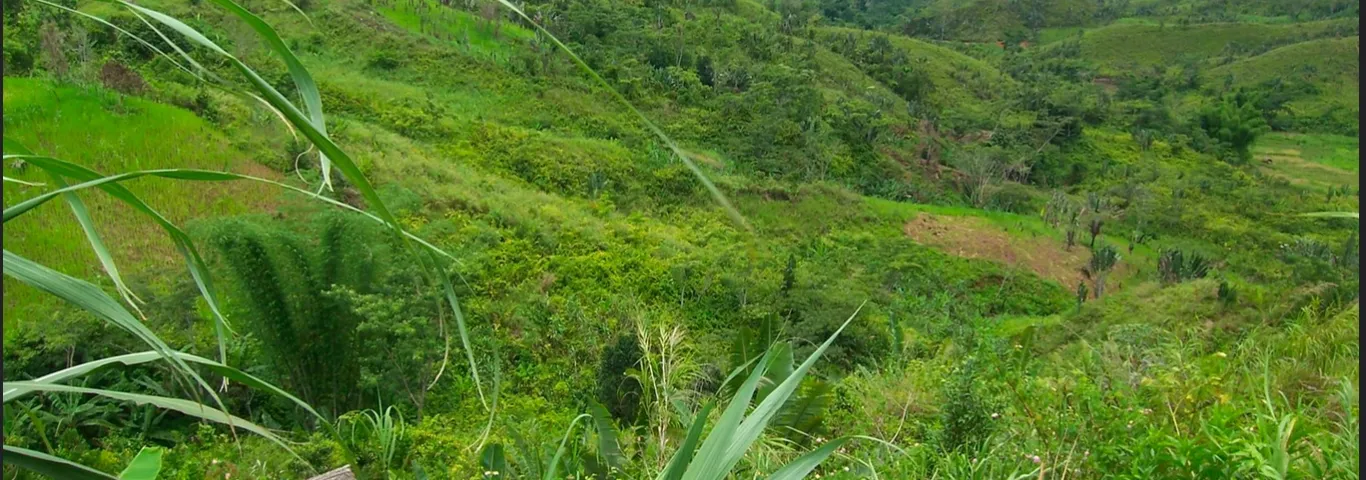
Students in the biodiversity, conservation, and natural resources management theme develop a deep, interdisciplinary understanding of how living systems function, why they are under threat, and how they can be protected through science-based and community-centered action. Through coursework spanning ecology, evolution, conservation biology, One Health, biogeochemistry, climate science, Indigenous land practices, and environmental policy, students learn to analyze the drivers of biodiversity loss, evaluate ecosystem dynamics, and design effective conservation strategies at scales ranging from local habitats to global biodiversity hotspots. Hands-on field methods, GIS training, and experiential opportunities, from arboretum research to community-based conservation work in Madagascar, equip students with practical skills for monitoring species, managing natural resources, and restoring degraded ecosystems. At the same time, courses in environmental humanities, justice, and policy illuminate how colonization, inequality, and governance shape conservation outcomes, preparing students to engage ethically and collaboratively with diverse communities. Together these courses empower students to become skilled scientists, critical thinkers, and responsible stewards capable of advancing conservation and sustaining natural systems in a rapidly changing world.
Environmental Humanities & Arts
Students who specialize in coursework within our theme in environmental humanities and arts develop a sophisticated understanding of environmental issues as deeply embedded in culture, history, power, ethics, and creativity. They learn how colonialism, capitalism, race, technology, and storytelling have shaped landscapes, environmental knowledge, and the unequal distribution of environmental harms and benefits across communities and places. Students gain the ability to critically analyze texts, images, data, and cultural narratives, from literature and philosophy to art, digital media, and historical archives, while also producing their own compelling written, visual, and narrative work. By integrating ethical reasoning, place-based and Indigenous perspectives, and interdisciplinary research methods, they become skilled at interpreting environmental problems in context, communicating across disciplines and audiences, and designing culturally informed, justice-oriented approaches to environmental challenges.
Science Communication
Our courses in science communication bridge the gap between scientific knowledge and public understanding through diverse, interdisciplinary approaches. They develop skills in persuasive writing, public speaking, and storytelling while exploring how cultural values, identity, and emotion shape responses to evidence. Courses emphasize critical thinking, negotiation, and evidence-based argumentation, preparing students to communicate complex environmental and scientific issues across multiple platforms, from grant proposals and literature reviews to creative narratives and policy debates. By engaging with real-world case studies, indigenous perspectives, and the environmental humanities, students gain the tools to craft messages that inspire informed decision-making and meaningful change.
Environmental Justice
Through coursework in our environmental justice theme, students learn how to advance environmental justice by designing equitable solutions and advocating for systemic change. Courses emphasize strategies for dismantling environmental racism, restoring Indigenous land practices, and promoting health equity through policy and community action. Students explore frameworks of justice and solidarity, engage with global movements for sustainability, and develop practical skills in law, negotiation, and interdisciplinary collaboration. Through case studies and hands-on projects, they learn to craft policies, conservation initiatives, and public health interventions that center marginalized voices and create resilient, thriving communities. This curriculum empowers students to become leaders who champion fairness and sustainability at local and global scales.
Climate Change
Students who take courses within our theme of climate change will gain an interdisciplinary understanding of Earth’s climate system, the causes and consequences of global warming, and the complex interactions among physical, biological, and social systems. They will examine the ecological, social, and economic impacts of climate change and explore strategies for mitigation and adaptation at local, national, and global scales. Courses span topics such as renewable energy and decarbonization, international climate negotiations, adaptation and resilience planning, and the political economy of climate policy. Students will also examine climate justice, communication strategies, and the cultural dimensions of climate storytelling, while engaging in hands-on experiences like policy simulations, field trips, and collaborative projects. By integrating scientific knowledge with policy analysis, ethical considerations, and innovative solutions, this theme equips students with the tools to lead in creating sustainable, equitable responses to the climate crisis.
Explore themes through our coursework
Students can chart a thematic pathway through our major or minor.
Explore themes in our major and minor